My Personal Achievement in

Reconstructing Shadows

How I learned to see stories hidden within Hong Kong's wild landscapes

Scroll to Explore

The Vision

A sequential journey through rugged trails and coastal silence.
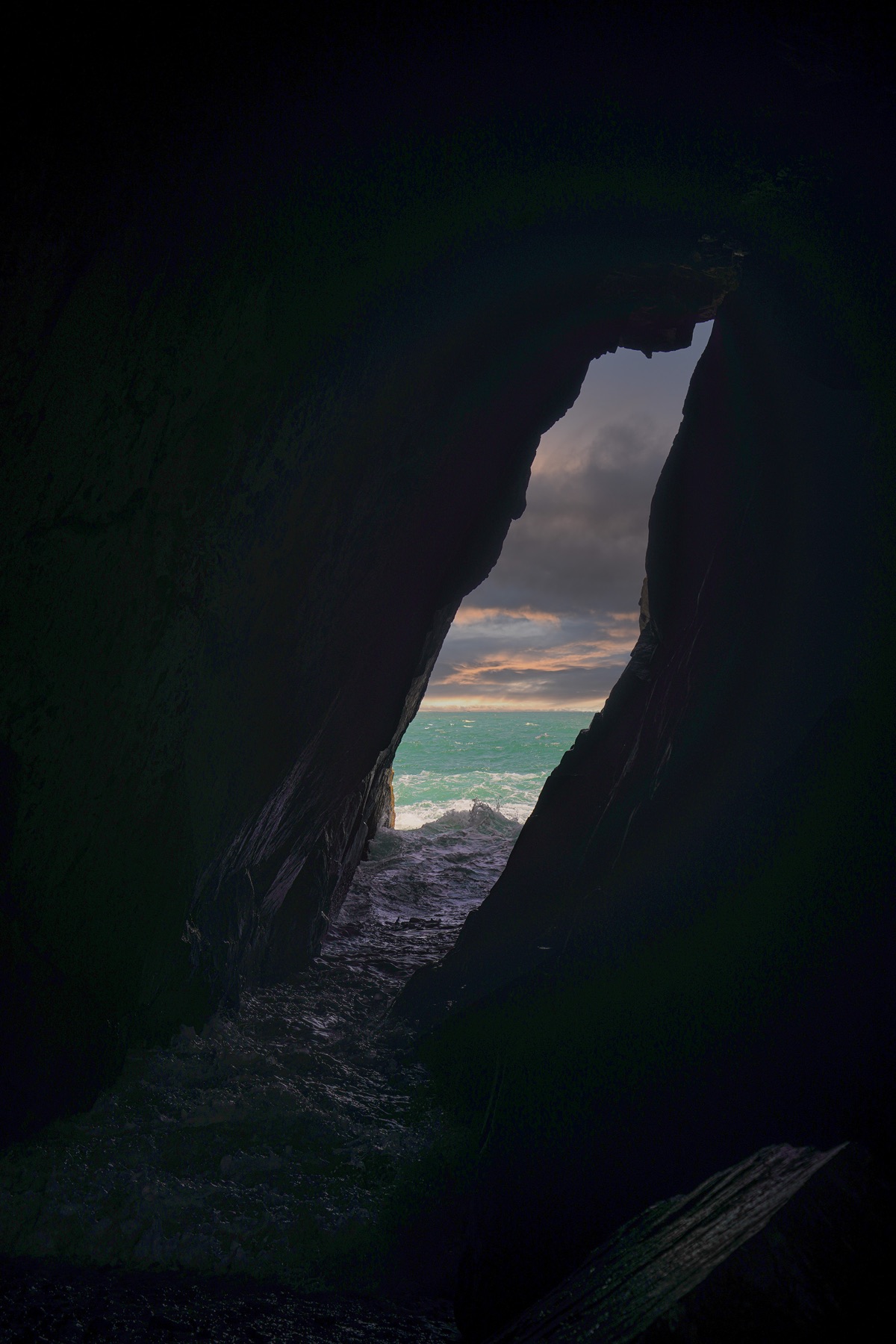
A narrow crevice in dark rock frames churning sea and sunset sky. Cleft in the Rock — Sai Kung East, 2024

The Raw Wilderness

It all began in September 2024, on my first solo attempt at Section 2 of the MacLehose Trail. I brought my father's old Canon DSLR, loaded with a 35mm prime lens, and set out with nothing more than a vague idea: capture something that reflected the feeling of the hike itself.

That day I returned with over 200 photographs — cliffs, waves, ferns, rock faces — all of them were beautiful but collectively meaningless. Scrolling through them on my laptop that night, I realised that they were isolated moments, disconnected fragments with no thread to bind them. A beautiful capture is not the same as a story.

The Rhythmic Flow

Over the following weeks I returned to the trail three more times, each trip with a different focus. On one I shot only textures — bark, wet stone, sand ripples. On another I concentrated on the horizon line, noting how it shifted as the trail wound from valley to ridgeline.

Gradually I understood that a landscape series needs rhythm. Just like a piece of music moves through tension and release, a photo sequence should guide the viewer's eye from confinement to openness, from shadow to light. The stark contrast between earth and water became my visual refrain — a motif I could return to at each turning point.
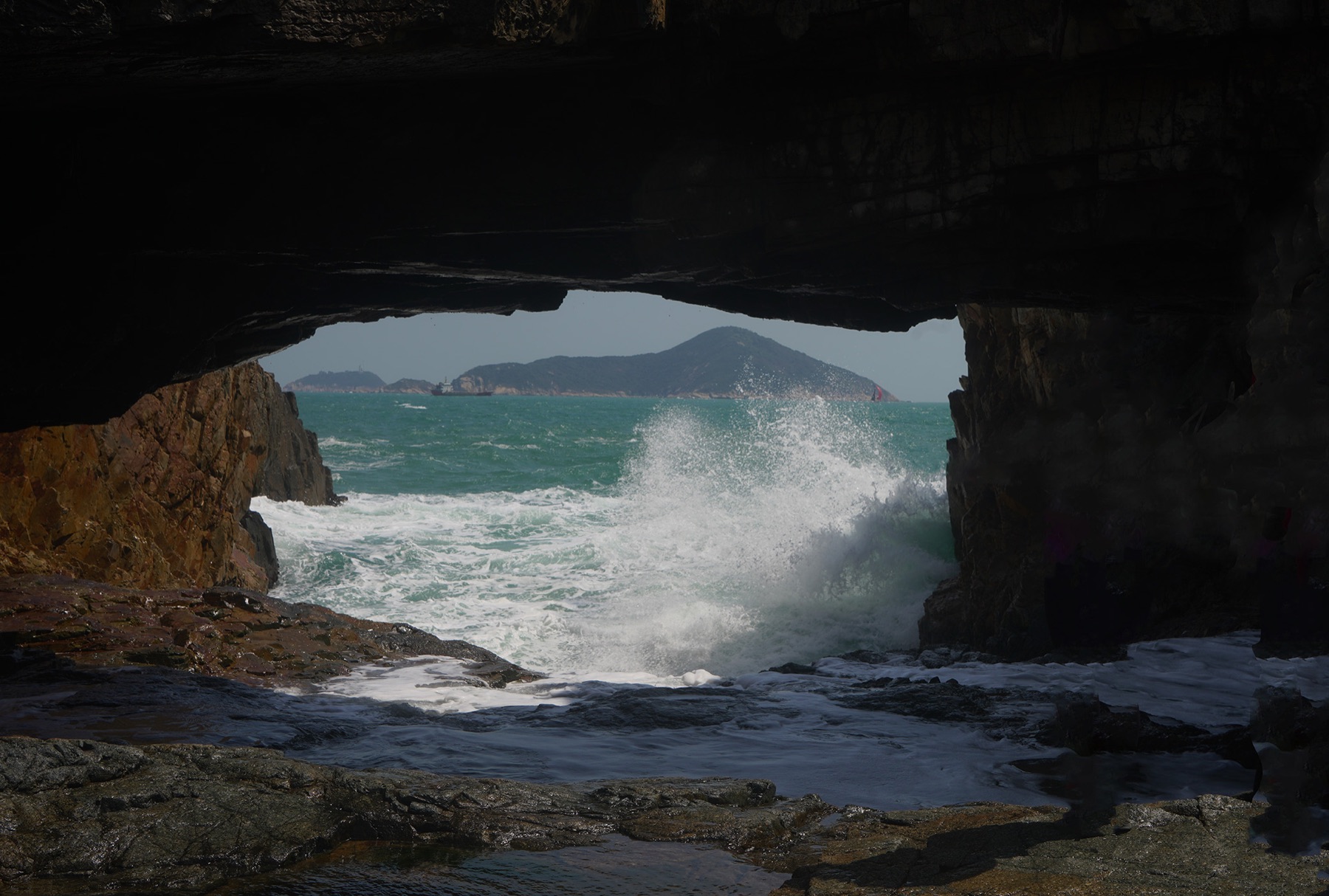
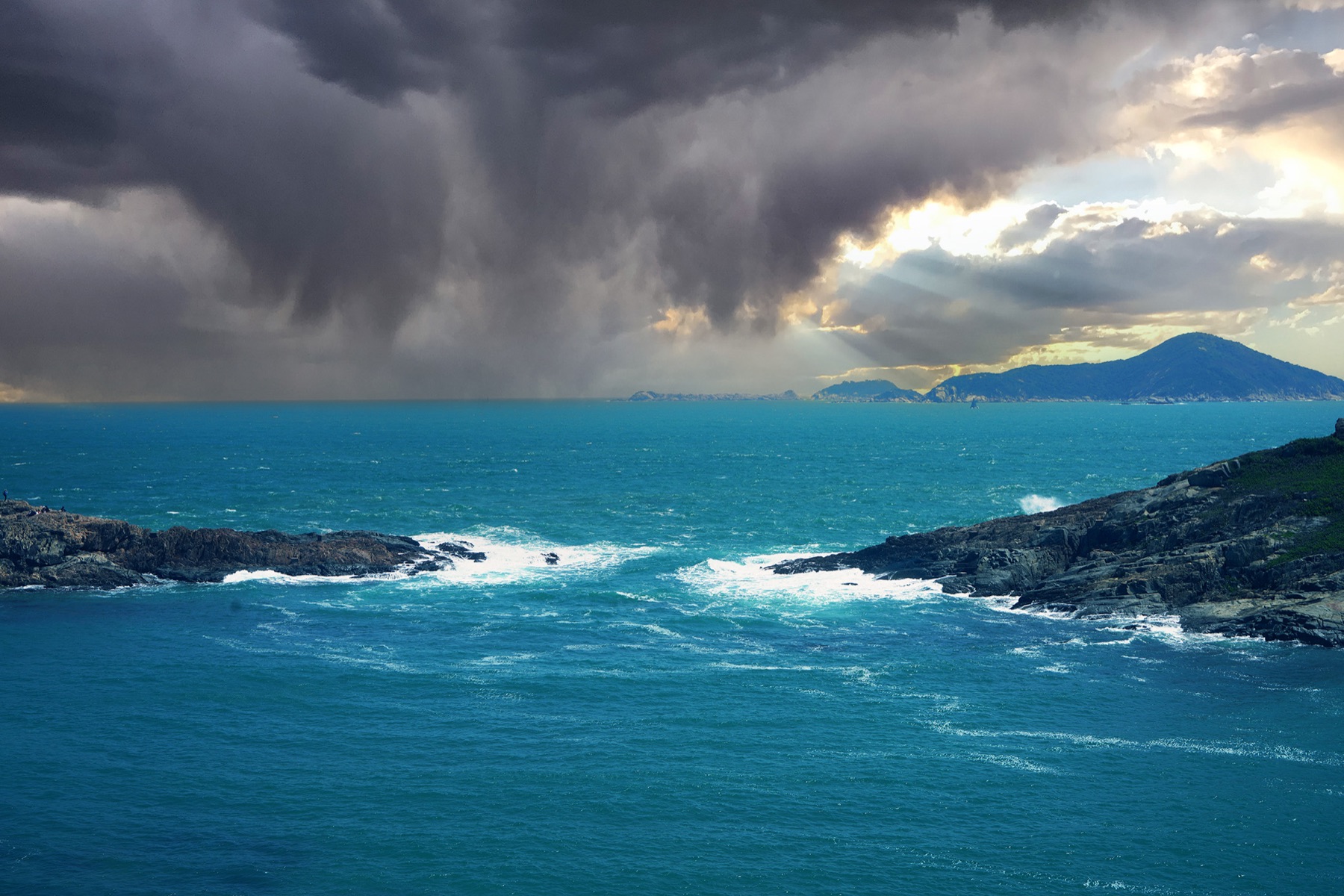
Waves explode through a rocky cavern mouth, revealing a peaceful island beyond. Sea Cave — Tung Lung Chau, 2024

A Disjointed Journey

"A beautiful capture is merely a whisper; a sequenced narrative is a compelling conversation. My initial arrangement was nothing but isolated whispers."

By December I had compiled a draft sequence of twenty-five photographs from the MacLehose Trail and the outlying islands. I printed small contact sheets and pinned them to my bedroom wall, rearranging them night after night. A critical flaw kept surfacing: the transitions between the rugged mountain peaks and the serene island coasts felt abrupt. The viewer's eye was yanked from one mood to another with no breathing room.

I showed the draft to my secondary school art teacher, Ms Wong, and her feedback was blunt: "You have twenty-five good photographs and zero narrative." That sentence stung, but it was the single most useful critique I have ever received. It forced me to stop thinking like a photographer collecting shots and start thinking like an editor constructing a story.

The Process

Three principles that transformed a gallery into a narrative.

01

Emotional Arc

I mapped each photo to a feeling — tension, wonder, solitude, release — and arranged them the way a screenplay structures its acts. The sequence had to build, not just exist.

02

Transitional Framing

Between every "hero" shot I inserted a quieter transitional image — a texture close-up or a muted horizon — so the viewer's eye could rest before the next dramatic moment.

03

Colour Continuity

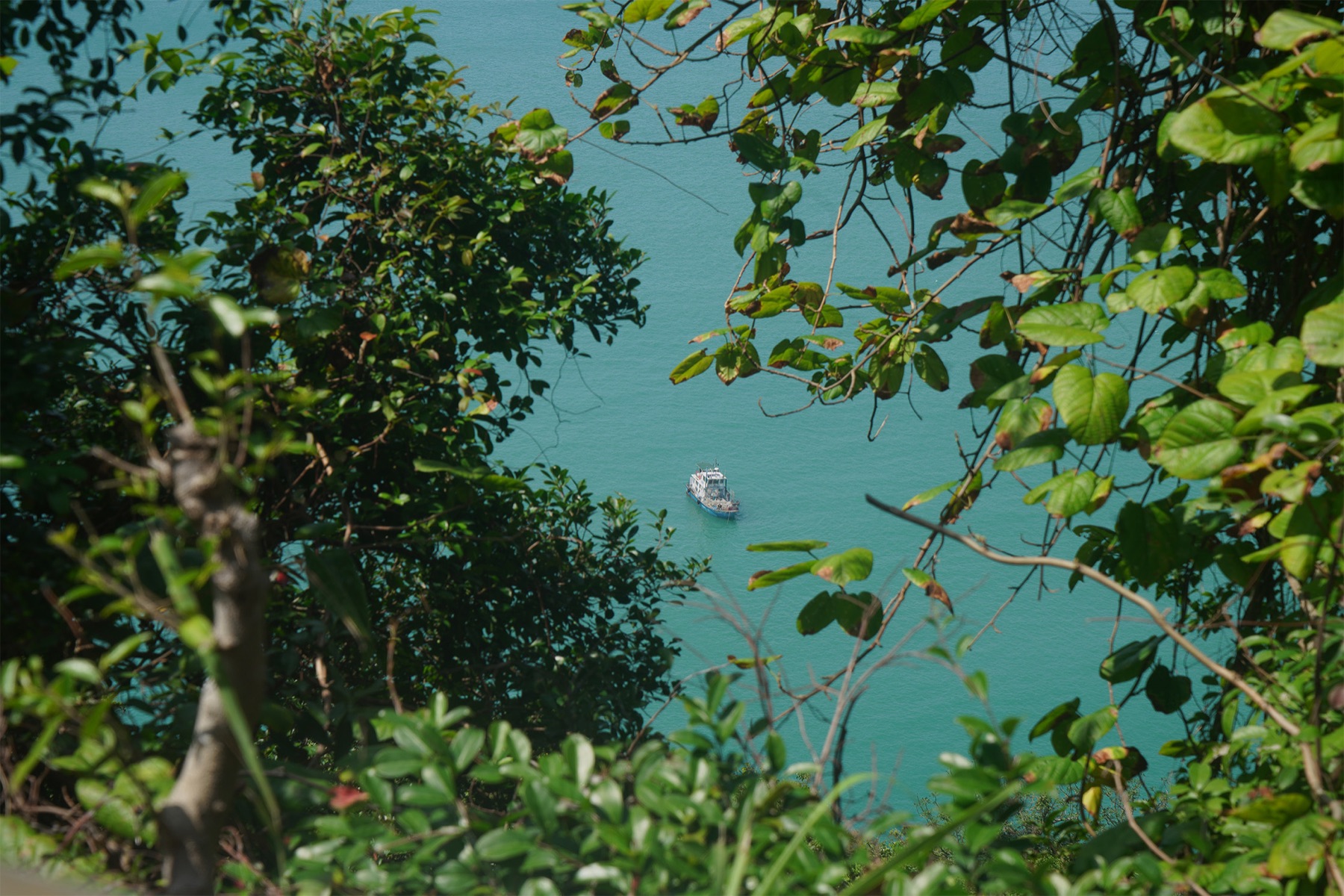
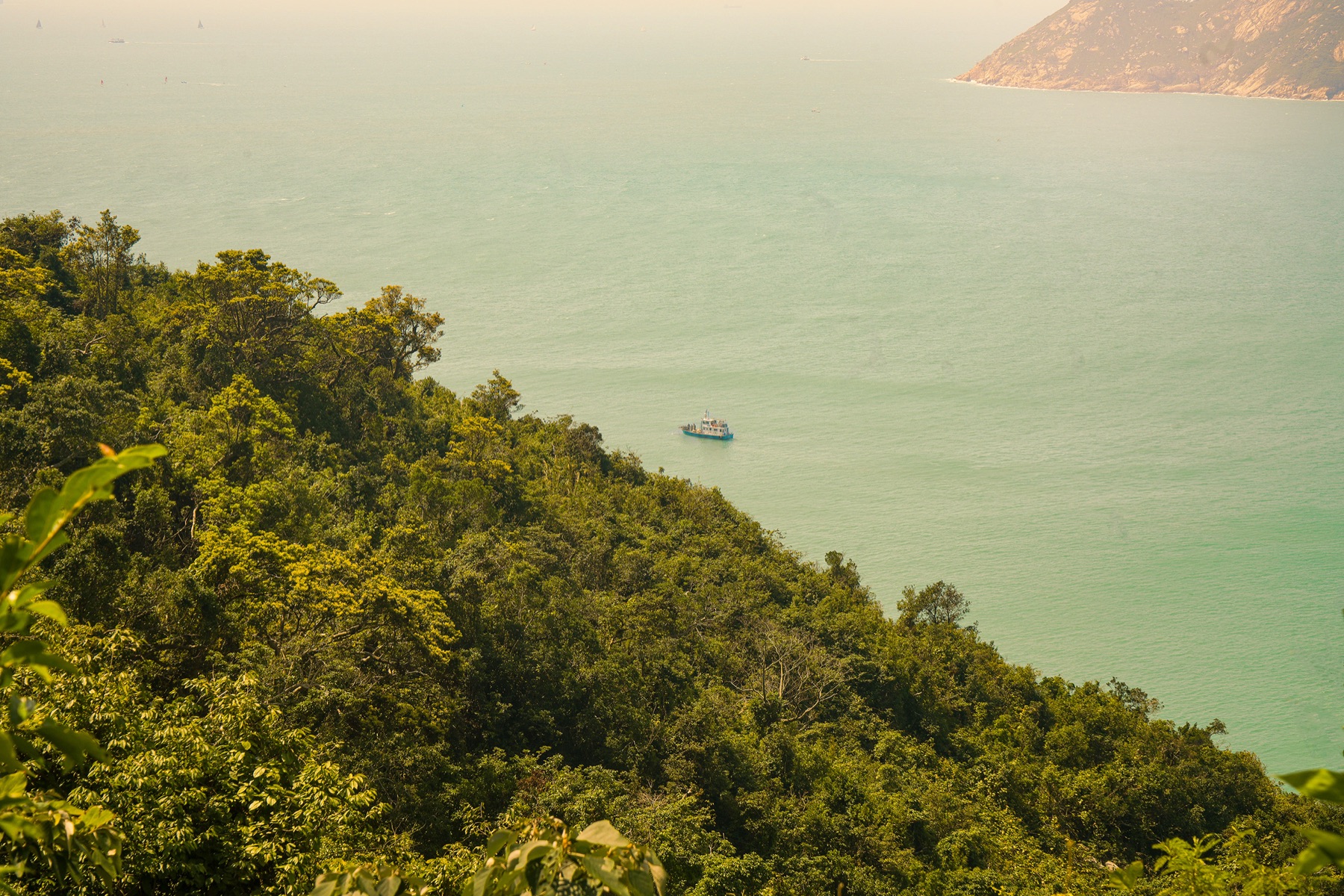
I edited the palette so that each adjacent pair shared at least one dominant hue. Greens bleed into teals, teals into deep blues — creating an unbroken visual thread.

The Sequence

Order restored. A narrative forged from the wilderness.

What I Learned

This project taught me that photography is only half the craft. The other half — the harder half — is curation. Anyone with a decent camera can capture a dramatic cliff face at golden hour. The real achievement is arranging those captures so the viewer feels the wind, hears the waves, and senses the fatigue in their own legs.

I also discovered something about myself: I am patient when it matters. I spent four months and five separate hikes on a series of just five final images. Friends told me I was overthinking it. Maybe I was. But the moment I laid the prints side by side in their final order and felt the story click — that was the most satisfying creative experience of my life so far.

Going forward, I plan to expand this project into a longer series covering all four sections of the MacLehose Trail I have completed, and eventually submit it to the Hong Kong Youth Photography Award. Whatever the outcome, the process has already changed how I look at every landscape I encounter.

5 Trail Hikes
800+ Photos Taken
25 Shortlisted
5 Final Series